Apartment Security Features You Should Look For
Choosing an apartment is not only about location, rent, or amenities. Security plays a critical role in ensuring daily comfort, privacy, and peace of mind for you and your family. A well-secured residential environment reduces risks, prevents unauthorized access, and supports safer community living.
Before finalizing a rental or purchase decision, evaluate whether the apartment offers the essential protection features listed below 🔐
Gated Entry with Controlled Access
A secure apartment complex should always have restricted entry points monitored by trained personnel or electronic systems.
Look for:
- Guarded main gate access
- Visitor entry logs
- Vehicle verification systems
- Boom barriers or RFID access cards
Controlled entry ensures only authorized residents and guests can enter the premises.
24/7 Security Personnel Availability
Human supervision remains one of the most effective safety measures in residential buildings.
Reliable security staff help with:
- Monitoring suspicious activity
- Managing visitor movement
- Responding quickly during emergencies
- Assisting residents late at night
Round-the-clock presence increases confidence and reduces security concerns 🚪
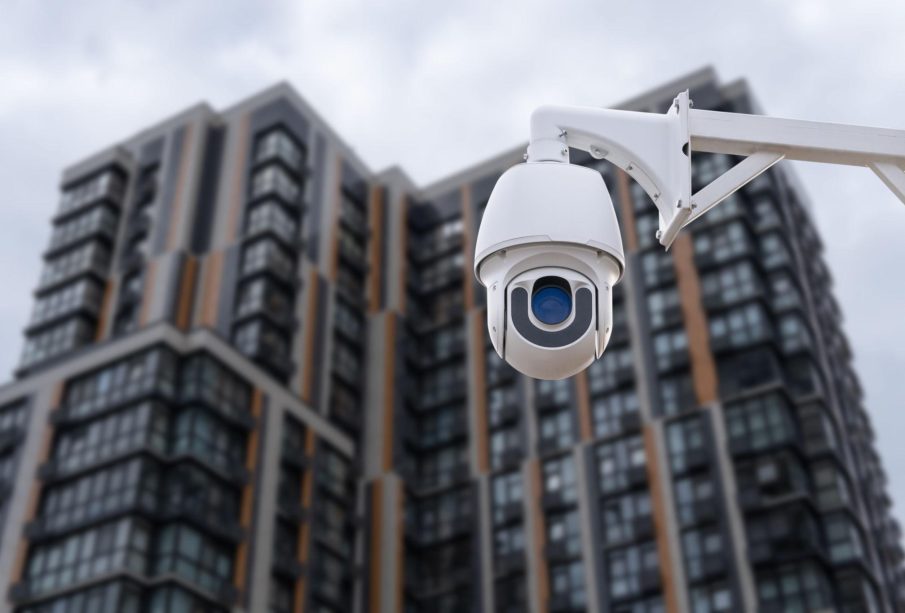
CCTV Surveillance in Key Areas
Surveillance cameras act as both preventive and investigative tools in residential environments.
Essential CCTV coverage areas include:
- Entry and exit gates
- Parking zones
- Lift lobbies
- Staircases
- Corridors
- Common activity zones
Make sure cameras are functional and not just installed for appearance.
Video Door Phone or Intercom Systems
Modern apartments often include communication systems that allow residents to verify visitors before granting access.
These systems help:
- Screen unknown visitors safely
- Reduce door-opening risks
- Improve communication with security desks
- Track delivery personnel entry
Such features add an important layer of personal security 📞
Fire Safety Infrastructure
Fire protection is a mandatory but sometimes overlooked safety feature in apartment selection.
Check for:
- Fire extinguishers on each floor
- Smoke detectors
- Emergency alarms
- Fire exit signage
- Clearly marked evacuation routes
Proper fire preparedness can make a life-saving difference during emergencies 🔥
Secure Parking Areas
Parking spaces should not become weak points in residential security systems.
A safe parking facility typically includes:
- CCTV monitoring
- Adequate lighting
- Restricted outsider access
- Security patrol rounds
Well-managed parking areas help prevent theft and vehicle damage.
Well-Lit Common Areas and Pathways
Lighting plays a surprisingly important role in residential safety.
Ensure sufficient lighting in:
- Corridors
- Staircases
- Entrance walkways
- Parking basements
- Garden paths
Bright common spaces discourage unwanted activity and improve night-time mobility.
Emergency Response Systems
Some apartment communities include centralized emergency response arrangements for residents.
Helpful features may include:
- Panic alarm systems
- Emergency contact desks
- Backup power for security systems
- Lift rescue protocols
These systems ensure quicker assistance when unexpected situations occur.
Smart Access Control Technology
Newer residential developments increasingly use digital entry systems for added protection.
Common smart security features include:
- Keycard access elevators
- Biometric entry points
- Mobile app visitor approvals
- Remote gate monitoring
Smart access control reduces unauthorized movement within residential towers 📲
Resident-Friendly Security Policies
Security is not only about equipment but also about how well systems are managed and enforced.
Observe whether the apartment community:
- Registers domestic helpers properly
- Maintains visitor records
- Implements delivery entry guidelines
- Conducts regular patrol checks
Consistent enforcement strengthens overall residential safety.
FAQs About Apartment Security Features
1. Are security features different in high-rise apartments compared to low-rise buildings?
Yes, high-rise apartments usually include advanced systems such as elevator access control and centralized monitoring rooms.
2. Should tenants verify security arrangements personally before renting?
Yes, visiting the property at different times of day helps assess how effectively security measures function.
3. Is biometric access necessary in residential apartments?
It is not mandatory, but biometric systems improve access control and reduce unauthorized entry risks.
4. Do apartment societies maintain records of domestic staff entry?
Many residential communities register support staff for safety tracking purposes.
5. Can poor lighting affect apartment security levels?
Yes, poorly lit spaces increase vulnerability and reduce visibility during emergencies.
6. Are emergency evacuation plans important in apartment complexes?
Yes, clearly defined evacuation plans help residents respond quickly during fires or natural disasters.
7. How often should apartment security systems be inspected?
Regular inspections are recommended to ensure cameras, alarms, and access systems remain functional and reliable.